

self-generating energy : ค้นหาหนังสือธรรมะ หน้า 7 / 37
หน้าหนังสือทั้งหมด
133
Understanding the Five Hindrances in Meditation
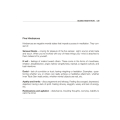
Five Hindrances
Hindrances are negative mental states that impede success in meditation. They consist of:
Sensual Desire – craving for pleasure of the five senses: sight, sound, smell, taste and tou
The Five Hindrances are crucial negative mental states that can obstruct meditation success. They include Sensual Desire, which refers to craving for sensory pleasures that distract the mind. Ill will
139
Guided Meditation: Calling Upon Your Merit
GUIDED MEDITATION 135
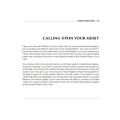
CALLING UPON YOUR MERIT
Keep your mind still. Reflect on all the merits that you have accumulated throughout your countless past lifetimes all the way to the present lifetime.
This guided meditation encourages individuals to reflect on the merits accumulated throughout past and present lifetimes. By maintaining a still mind, one can connect to their intrinsic energy, transf
161
Understanding Key Thai Terms in Buddhism
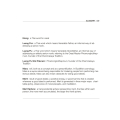
Klong: a Thai word for canal
Luang Por: a Thai word which means Venerable Father, an informal way of addressing a senior monk.
Luang Pu: a Thai word which means Venerable Grandfather, an informal wa
This text provides insight into important Thai terms associated with Buddhism. Terms such as 'Klong' refer to canals, while 'Luang Por' and 'Luang Pu' are respectful titles for monks, particularly in
23
The Importance of Purity in Dhamma Teaching
NICENESS WITH A DHAMMA TEACHER
become pure and then work together. If many pure people came together, then we could help one another destroy Mara. And this is what the temple is trying to do. We prev
In this teaching, the Dhamma teacher emphasizes the need for personal purity and collective effort to combat Mara. The concept of the Buddha as pure energy and the singular truth of Dhamma across reli
49
Understanding the Eightfold Path in Buddhism
Suzanne Jeffrey
"The path begins with Right View, Samma-Ditthi. This is also called Right Understand-
ing. On one level, this means that we understand that there is cause and effect: that do-
ing goo
The text outlines the initial parts of the Eightfold Path in Buddhism, emphasizing the importance of Right View, which differentiates good and bad actions based on cause and effect. Right Intention is
55
The Importance of Meditation in Education
but teach them how to respond to everyone around them using those characteristics. We have an educational environment that is conducive to learning – and a joyful and peaceful one as well.
“All of th
This text discusses how meditation enhances the teaching process by creating a peaceful and productive classroom atmosphere. It emphasizes the need for teachers to be trained in meditation to better r
84
Merliangs with a Dhamma Master
Merliangs with a Dhamma Master
Meeting #14
06 March 2010 — Ashram Bandita
I have just been called into a meeting that includes a few people I know, and a few whom I don’t know. It was an “emergency”
In this meeting, Luang Por provides insights into the consequences of drinking and its impact on decision-making. He emphasizes the importance of discernment and caring for others. He shares his exper
85
The Impact of Actions on Our Future Lives
Suzanne Jeffrey
“If we do something good, then we have this good energy floating around out there, and we should make a wish to create something good. If we do something bad, then something bad will
Suzanne Jeffrey discusses the importance of our actions and feelings in shaping our future lives. She emphasizes that positive actions create good energy and can lead to rebirth in supportive environm

87
Embracing Change Through Buddhism
Suzanne Jeffrey
"We cannot change our past, but we can change today and our future. Therefore, resolutions are very important. So we must resolve to be born with a pure mind to parents with pure mind
This text emphasizes the significance of making resolutions for personal growth and spiritual development. It highlights the belief that while we cannot alter our past, we hold the power to change our
98
Understanding Biochemical Reactions and Relaxation Techniques
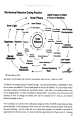
Biochemical Reaction During Practice
Lightly Imagine an Object or Focus on Breathing
Less Energy Consumption
Lessened Metabolic Rate
Less Oxygen Consumption
Lessened Metabolic Rate
Less Oxygen Consump
This text discusses the biochemical reactions occurring during practice and the benefits of lightly imagining an object or focusing on breathing. It emphasizes the reduction in energy consumption, met
112
Meetings with a Dharmar Master
Meetings with a Dharmar Master
[With this, he smiles because many of the people in the room are past 50. And they are groaning at the thought that they are passed the meditation stage.]
If we can er
In a meeting with a Dharmar Master, the conversation revolves around the path to enlightenment and overcoming defilements. The Master emphasizes that eradicating defilements is essential for reaching
156
Glossary of Important Terms in Enlightenment
Glossary
Arahant – Someone who has attained enlightenment (or no longer has defilement). This person is free from greed, delusion, ignorance and such things as that.
Baap – The bad stuff that’s floa
This glossary provides definitions of essential terms in the context of enlightenment and mindfulness practices. It discusses concepts such as Arahant, individuals who have achieved enlightenment free
62
Understanding the Four Basic Requisites for Monks
Since we live in the physical world, we tend to think of the four basic requisites only in physical terms, for example food. We often think only whether or not it is clean, tasty, nutritious or health
This text guides monks on how to perceive their basic requisites beyond physical terms like cleanliness and taste. It emphasizes being conscious and grateful, encouraging monks to accept only what the
19
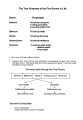
The True Purposes of the Five Rooms in Life
The True Purposes of the Five Rooms in Life
Room Purpose(s)
Bedroom To build up courage by
1) doing good deeds
2) pra
This text outlines the distinct purposes of the five rooms in life: Bedroom for courage, Bathroom for vitality, Kitchen for energy, Dressing Room for intelligence, and Workroom for wealth. Emphasizing

61
Building Merit through Support in Buddhism
Support one another in achieving merit! While you are still young, use that youthful energy to support the work of Buddhism. Make a wish for your good work to bring you good merit.
The more determin
This text discusses the significance of supporting one another in achieving merit within Buddhism. It emphasizes using youthful energy for good deeds and highlights that determination influences the a
93
Understanding Merit and Its Impact on Life
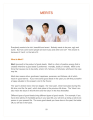
MERITS
Everybody wants to be rich, beautiful and smart. Nobody wants to be poor, ugly and dumb. But how come some people are born lucky and other are not? The answer is because of ‘merit’, or the lac
Merit is the product of good deeds and serves as a positive energy that can lead to being rich, beautiful, and smart. It encompasses virtue and goodness, influencing one's present and future based on
94
Understanding Merit and Demerit: The Law of Karma
The opposite of merit is demerit, or ‘sin’. Demerit is the product of bad deeds. Bad deeds cause ‘bad karma’. Demerit is a negative energy that is created when a bad deed is performed: mentally, bodil
The opposite of merit is demerit, representing the consequences of bad deeds which cause negative karma. Both good and bad deeds are governed by the Law of Karma, where actions determine outcomes in t
249
Understanding Key Buddhist Concepts: A Glimpse into Mindfulness and Liberation
feeling: see aggregates) vedanānupassanā-satitapatthā (see mindfulness of feeling in the feeling) Vehapphalā (P. realm of Brahmas with abundant reward: see form Brahma realms) vibhavaṭaṅhā (see cravin
This text provides an in-depth understanding of various important Buddhist concepts. It covers essential terms such as vedanānupassanā (mindfulness of feelings), vipassanā (insight), and viriya (energ
7
The Art of Mindfulness
Universal Goodness 7
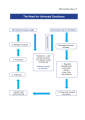
The Need for Universal Goodness
Decreased energy usage
5. Meditation practice
4. Punctuality
3. Politeness
A good mood calms the body
Feeling hot - cold
Hunger and thirst
T
This book explores the principles of mindfulness, offering insights into how to integrate mindfulness practices into everyday routines. It discusses the benefits of mindfulness for mental health, stre
159
Truth for the Family: Essential Practices for Moral Living
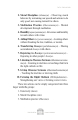
Part Five: Truth for the Family
2. Moral Discipline (silamaya) - Observing moral
behavior by restraining our speech and actions to do
only good; not causing turmoil for others.
3. Meditation Practice
Part Five discusses vital practices for families to cultivate a moral lifestyle. It highlights the importance of moral discipline (silamaya), meditation (bhavanamaya), and humility (apacayanamaya) amo